
Benefits of Using Skeletal Trailers for Container Transport
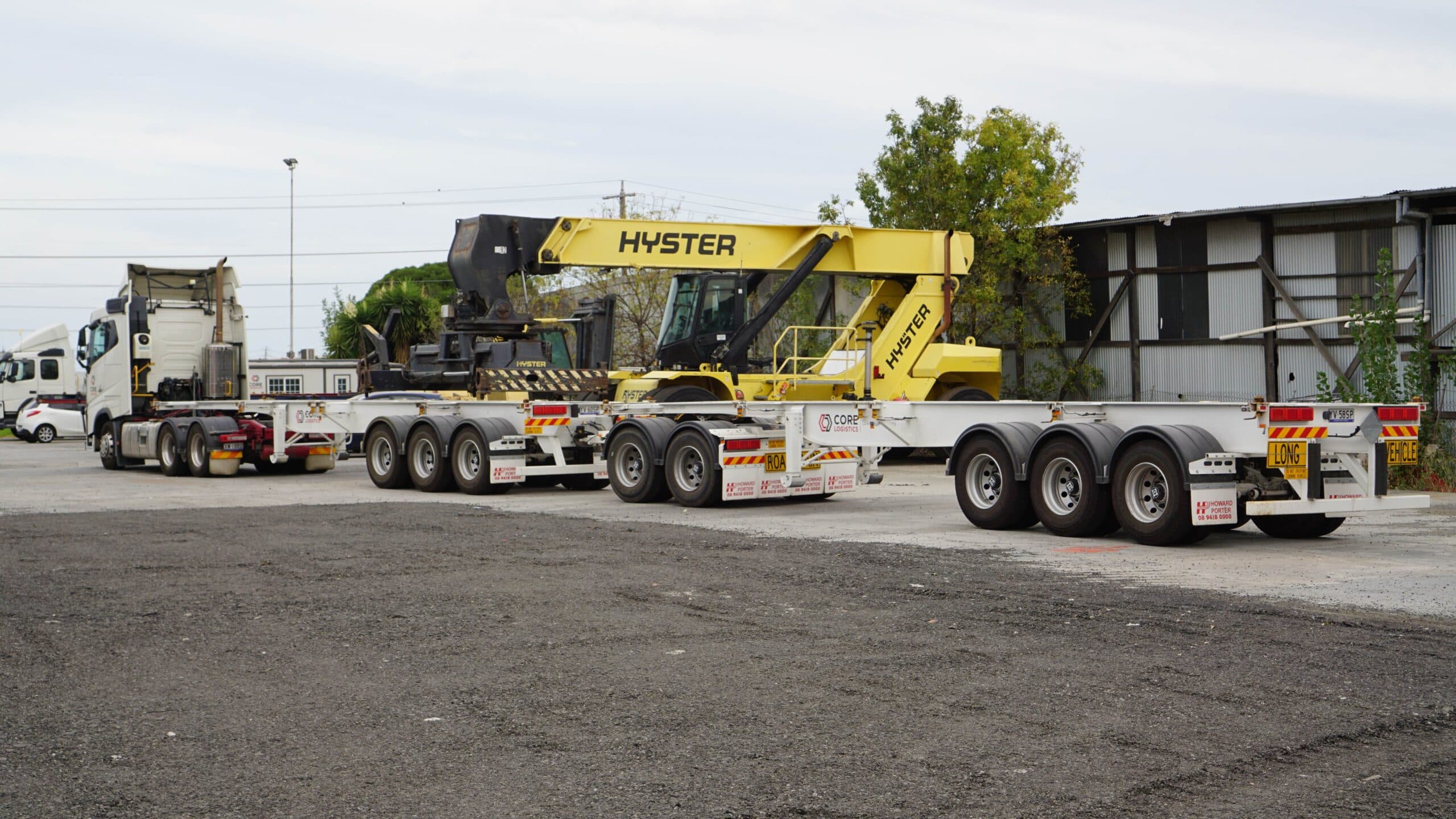
In container transport, the trailer matters just as much as the truck.
Skeletal trailers are purpose-built for moving shipping containers efficiently, safely, and reliably. Without them, container transport becomes slower, riskier, and more expensive.
This article explains what skeletal trailers are, why they are used in container logistics, and the practical benefits they bring to everyday transport operations.
What Is a Skeletal Trailer
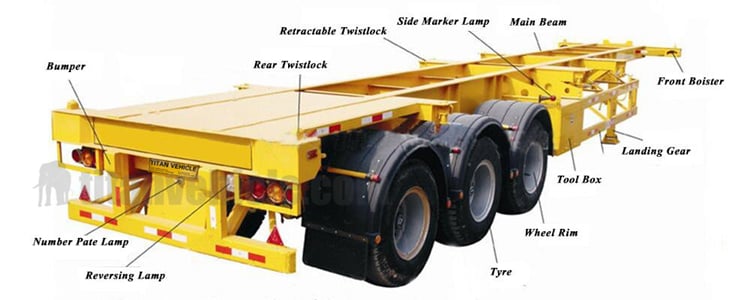
A skeletal trailer is a lightweight trailer frame specifically designed to carry shipping containers.
Unlike flatbeds, skeletal trailers support containers at key structural points, allowing them to be securely locked in place while minimising excess weight.
They are the standard trailer type used for port container movements and intermodal transport.

Why Skeletal Trailers Are Essential for Container Transport
Shipping containers are engineered to be lifted and secured at specific points.
Skeletal trailers align with this design, allowing containers to be transported without unnecessary structural stress. This reduces the risk of container damage, load instability, and compliance issues during transit.
For container transport, skeletal trailers are not an upgrade. They are the correct tool for the job.
Improved Efficiency at Ports and Terminals
Ports and terminals are designed around skeletal trailer operations.
Using skeletal trailers allows for faster loading and unloading, smoother movements through terminals, and better coordination with cranes and reach stackers.
This directly improves turnaround times and reduces congestion during peak operating periods.
Better Weight Distribution and Safety
Skeletal trailers are engineered to distribute container weight evenly across axles.
This improves stability on the road, reduces strain on equipment, and supports compliance with heavy vehicle regulations.
Proper weight distribution also lowers the risk of rollovers, excessive tyre wear, and mechanical stress on prime movers.
Fuel Efficiency and Lower Operating Costs
Because skeletal trailers are lighter than flatbeds or general-purpose trailers, they reduce total vehicle mass.
Lower weight means:
-
Reduced fuel consumption
-
Less wear on braking systems
-
Lower long-term maintenance costs
Over thousands of container movements, these efficiencies compound significantly.

